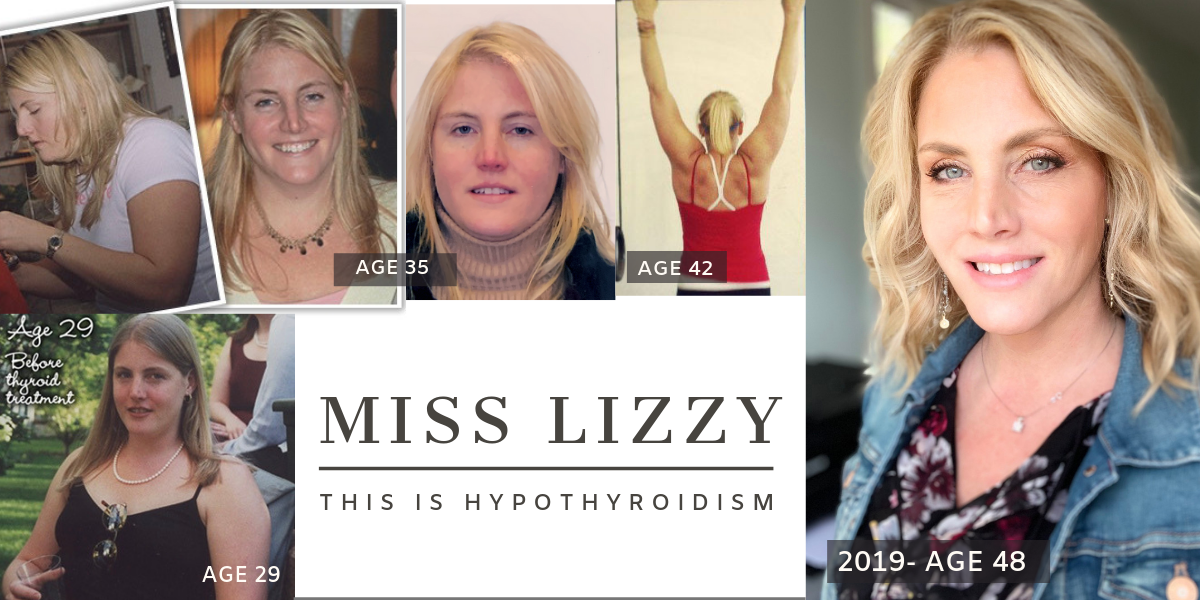
Hypothyroid Basics
Hypothyroidism





Adrenal Fatigue or Low Cortisol


Treatment Options

Success Stories and Inspiration



Related Conditions
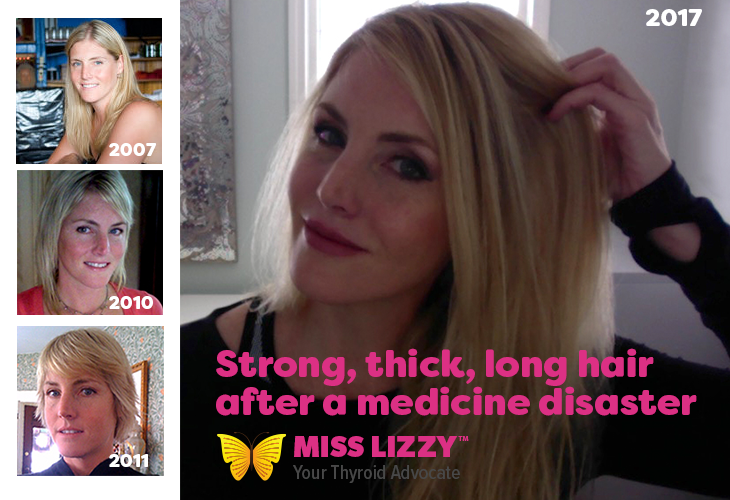
Hair Loss
Could You Have Hypothyroidism?
Even with normal lab ranges patients can still be hypothyroid. Do these symptoms sound familiar? If yes, it could be hypothyroidism.
- Do you often feel tired?
- Do you have trouble with weight loss?
- Are your hands and feet cold?
- Do you have brain fog?
- Do you have hair loss?
- Most importantly, do you have low body temperature?
How to Lose Weight with Hypothyroidism
Weight gain is one of the most upsetting symptoms of hypothyroidism. Like many others, weight gain was extremely discouraging for me especially because I was eating healthy. If you experience hypothyroidism and weight gain, be kind to yourself while you find the right treatment. Once I solved the underlying hypothyroidism my body was able to loose weight naturally!
Getting Started
It’s important to find the right treatment and medicine for hypothyroidism. Here are the most important articles for getting started.