Do you ever wonder what patients look like before and after hypothyroidism treatment? Here are historic photos of patients who were treated for hypothyroidism with natural desiccated thyroid medicine (NDT). 1 In the before photos, notice the typical hypothyroid symptoms including puffy face and eyes, swollen neck area, dull complexion, dullness in the eyes, hooded eyelids, thinning eyebrows, under eye bags. In addition, notice the dry, dull and thinning hair which is common with hypothyroidism.
14 Year Old Girl, Before and After Hypothyroidism Treatment
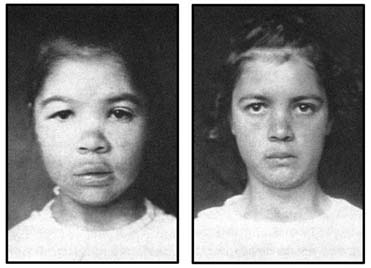
This historical before photo shows a 14-year-old girl with hypothyroid. Her symptoms appear to be puffiness around the eyes, thickened lips, depressed root of the nose (saddle nose), as well as straight, dry, coarse hair. The second photo was taken after only 6 months of treatment with natural desiccated thyroid. Notice the improvements in her appearance and hypothyroid symptoms after treatment with natural desiccated thyroid:
- Elevated bridge of the nose
- Brighter eyes
- Normal looking lips
- Glossy, curly hair
- In addition, her constipation had resolved and her appetite improved
Adult Woman, Before and After Treatment
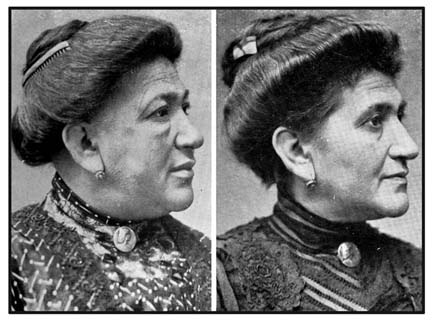
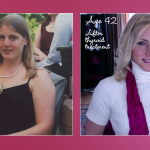
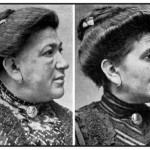
This photo shows before and after hypothyroidism treatment of an adult woman. She has the characteristic puffiness that often accompanies hypothyroidism, as well as dull looking complexion, dry looking her, under eye bags. Notice the improvements in her appearance and hypothyroid symptoms after treatment with natural desiccated thyroid:
- The bags under her eyes have diminished
- Her hair texture has markedly improved, becoming shiny
- The swelling around her neck and face have reduced
- Her skin appears more vibrant and youthful
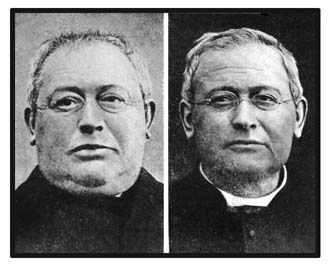 Adult Male, Before and After Treatment
This historical photo shows an adult man before and after hypothyroidism treatment. He is described to have the obese form of hypothyroidism. In the before photo he has the characteristic symptoms of hypothyroidism including swollen neck and face. In the before photo his eyelids appear hooded and closed. His hair appear thinning and dry. In addition his eyes appear to have a dull, foggy look, which patients describe as brain fog. Notice the improvements in his appearance and hypothyroid symptoms after treatment with natural desiccated thyroid:
- The neck and face swelling have greatly diminished
- His hair texture appears more full and healthier
- His skin appears more firm and youthful
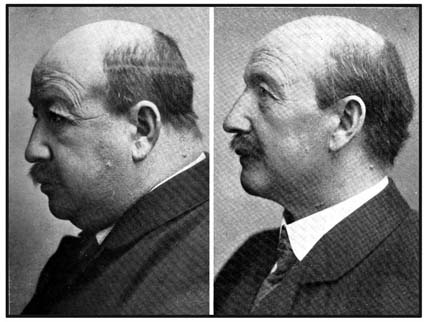 Adult Male, Before and After Treatment
Finally, the last historical photo of an adult man before and after hypothyroidism treatment. He appears to have the puffiness (myxedema) which is characteristic of hypothyroidism. Notice the improvements in his appearance and hypothyroid symptoms after treatment with natural desiccated thyroid:
- The swelling around his neck, jowls and face have greatly reduced
- Even the swelling on the back of his neck appears greatly improved
- The swelling in his cheek area appears greatly reduced
- His skin seems more youthful, especially around his eyes and forehead
- His hair appears to be growing in thicker and fuller
Clearly these photos of before and after hypothyroidism treatment show how patients can experience significant improvements when they are on the right medicine. In this case, the medicine was natural desiccated thyroid. However each person is different, therefore treatment may vary.
Notes:
- http://www.jcrows.com ↩












Leave a Reply
You must be logged in to post a comment.